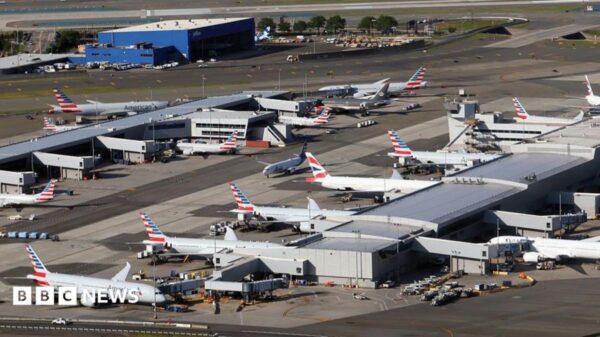



















Travelers across the Northeast faced a grueling Monday as damaged communication lines at a critical air traffic control facility in Philadelphia triggered widespread chaos. The disruption forced several ground stops, bringing commercial aviation to a near standstill at major hubs including Philadelphia International and Newark Liberty International airports. At one point, no commercial flights landed at Newark for nearly eight hours, contributing to a national ripple effect that saw more than 1,000 cancellations and over 6,000 delays throughout the day.
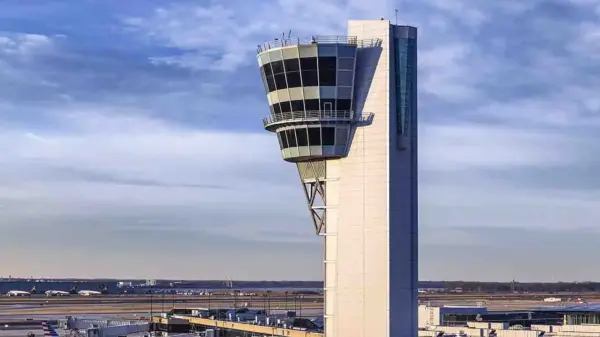
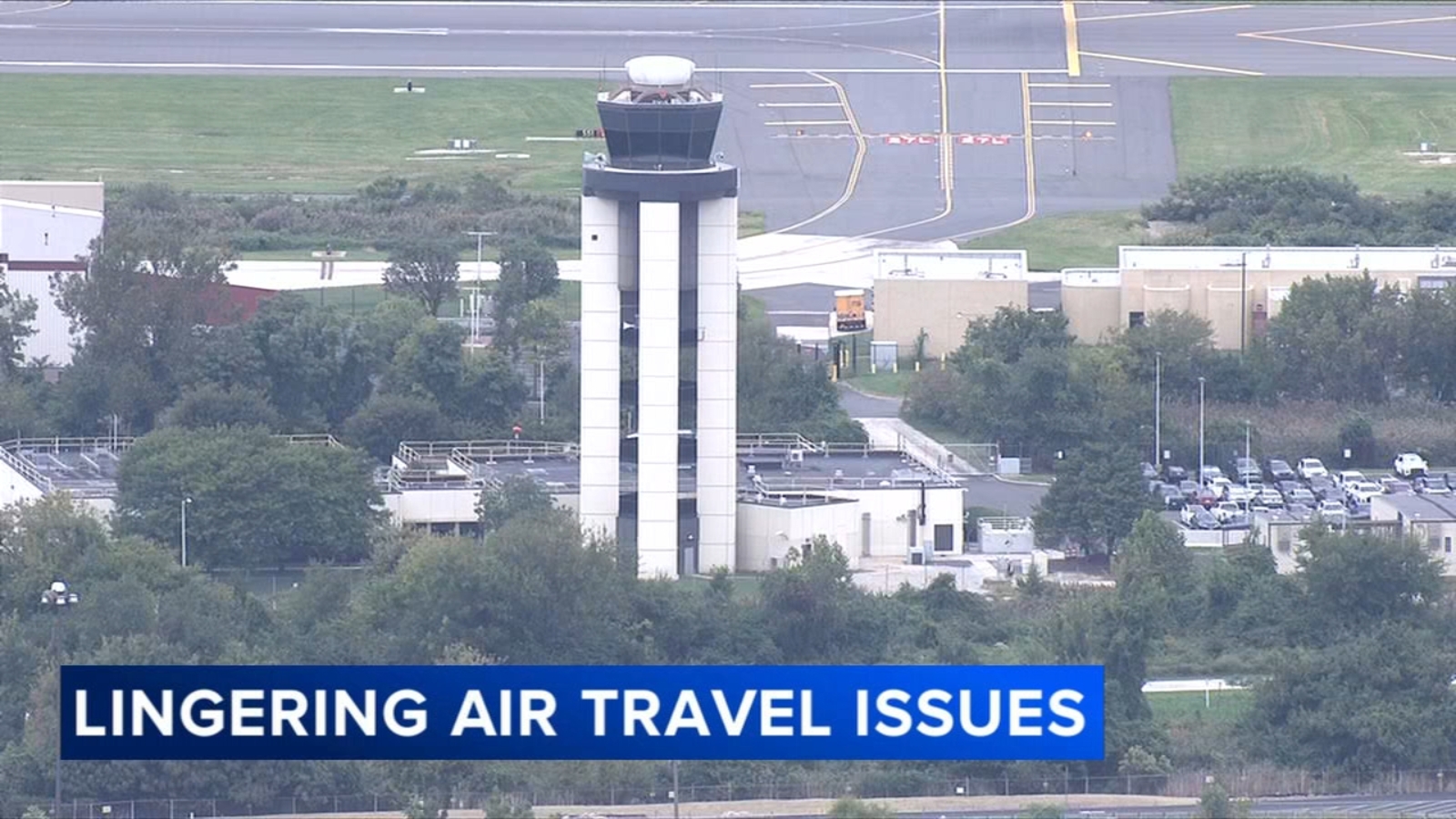
The crisis was the result of a perfect storm of technical failure and human error. According to federal officials, the primary communications line at the Philadelphia facility failed early Monday morning. When the system attempted to automatically switch to its redundant backup fiber optic line, controllers discovered that the secondary cable had been accidentally severed by construction crews working in the region. This double failure left air traffic controllers without essential radar and communication tools, effectively blinding them to aircraft movements in one of the busiest corridors in the country.
Transportation Secretary Sean Duffy confirmed late Monday evening that repairs had finally been completed and operations were beginning to resume. However, he warned passengers through social media that clearing the backlog of delays would take significant time and urged everyone to verify their flight status with airlines before heading to terminals. Some carriers responded by waiving change fees for stranded passengers who found themselves stuck in distant cities far from home.
While engineers worked alongside Verizon technicians to install new circuits, questions emerged regarding infrastructure reliability given that similar failures occurred at the same facility last spring. While the FAA has begun testing artificial intelligence systems in other regions like Washington D.C. to better predict scheduling conflicts and weather patterns, this particular incident highlighted a vulnerability in physical hardware_ That aging circuitry is slated for replacement as part of a larger planned overhaul of the national air traffic control network.