



















Crypto investors are currently keeping a close eye on a specific technical trigger that often precedes one of the most profitable periods in digital asset trading known as altcoin season. This phenomenon occurs when smaller market cap coins begin to skyrocket in value, significantly outpacing the growth of Bitcoin. To predict this shift, traders track the Bitcoin Dominance metric, which measures Bitcoin’s share of the total cryptocurrency market capitalization. Currently, with Bitcoin valued at 1.7 trillion dollars against a total market cap of 2.85 trillion, its dominance has dipped just below the critical 60 percent threshold.
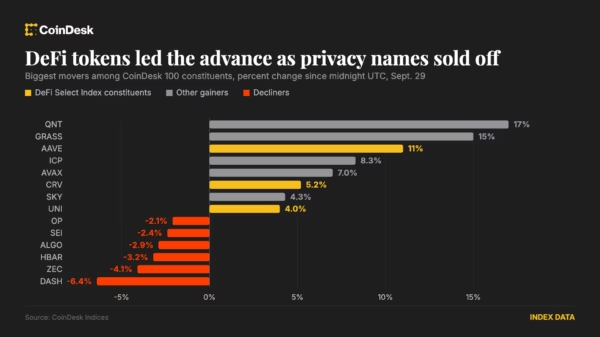
Historical data suggests that when this percentage falls sustainably below 60 percent, it signals a rotation where investors move their capital out of the primary coin and into riskier, higher-growth alternatives. Over the last few years, this metric has generally fluctuated between 40 and 65 percent, but after spending much of the past year hovering around the 60 percent mark, the current dip indicates that alternative assets are starting to chip away at Bitcoin’s lead. Some tokens have already shown immense strength over the last three months, with names like Zcash and Uniswap seeing gains of over 200 percent while Bitcoin grew by a more modest 40 percent.
However, seasoned analysts warn against relying on a single indicator before declaring an official altcoin season. Many professionals prefer using tools like the CoinMarketCap Altcoin Season Index, which requires at least 75 of the top hundred cryptocurrencies to outperform Bitcoin over ninety days to confirm a trend change. With that index currently sitting at 50, meaning only half of those assets are beating Bitcoin, we aren’t quite in full bloom yet. While the signs are promising for those looking to build a diversified portfolio heading toward 2027, it appears there is still time to research smaller gems before they potentially go parabolic.