




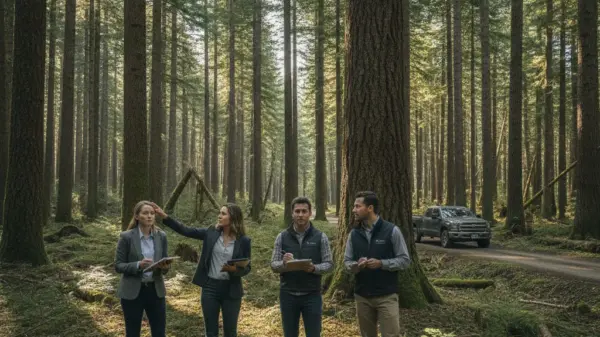













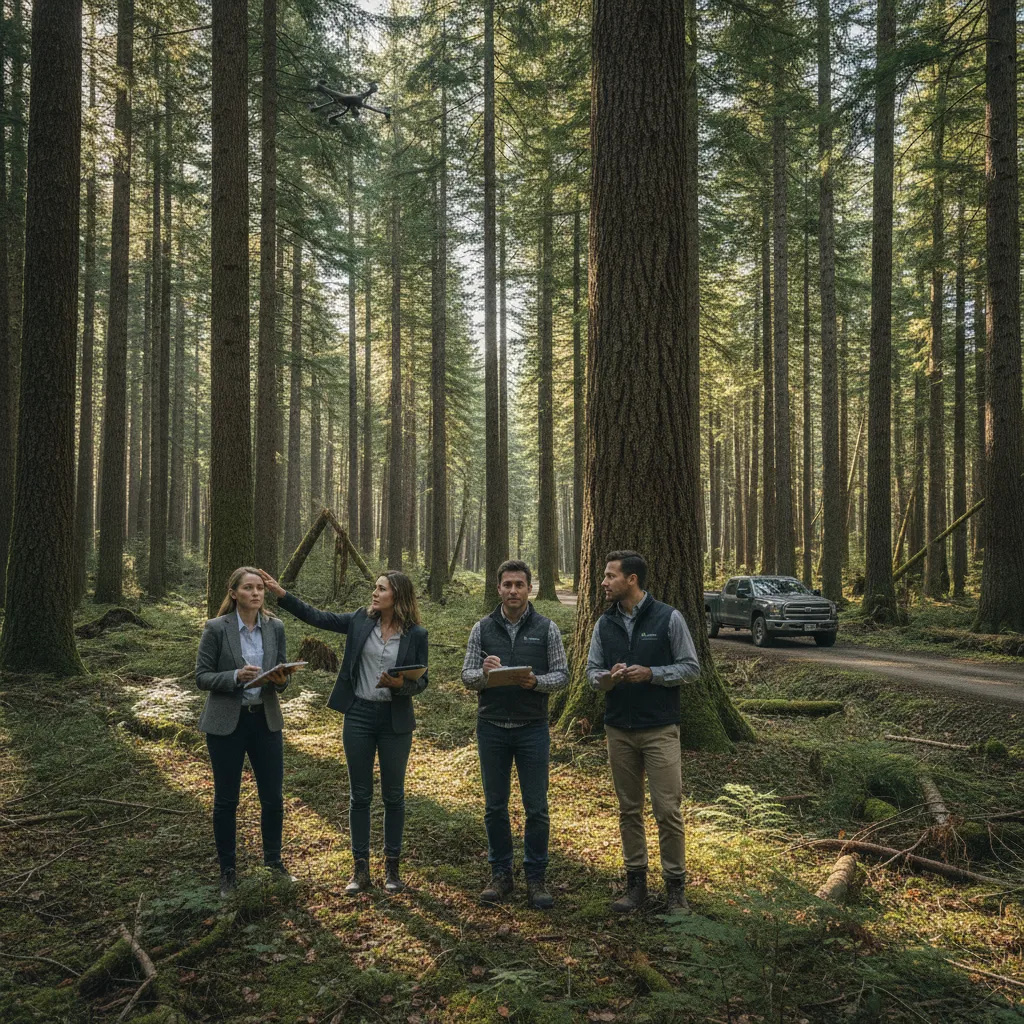
While most people turn to gold or government bonds when the global economy feels unstable, a growing number of institutional investors are choosing a much slower, more organic hedge. Across the United States, firms are snapping up timberland at a staggering rate of roughly one million acres per year. To these buyers, forests represent a back-to-basics asset that literally grows on its own, offering a tangible sanctuary for capital that remains insulated from the volatility of digital markets. Even some younger Americans, locked out of the traditional housing market, have begun exploring forestry as a way to enter the real estate world via a different door.
However, this green gold rush comes with significant caveats regarding timing and patience. Many current landowners warn that timber is far from a quick win, often yielding very low short-term returns. In regions like South Carolina, experts note that supply is currently outpacing demand due to a stagnant housing market, leading to flat or even falling prices for certain types of wood. While hardwoods used for luxury flooring and furniture have seen recent price jumps, the pine pulpwood used for paper products has plummeted in value over the last year. For those hoping for immediate dividends, the forest may feel more like a dormant account than a thriving portfolio.
Despite these headwinds, major financial institutions view timberland as a strategic move rather than a tactical trade. Experts from Bank of America argue that forestry is not an asset class one enters or exits quickly; instead, it is designed for pension funds and endowments with horizons spanning decades. Beyond residential construction, there is emerging demand for wood pellets in bioenergy and an increasing appetite among lifestyle buyers seeking recreational retreats. These factors provide a floor for land values regardless of whether lumber prices are peaking or dipping.
Ultimately, seasoned observers suggest that the true profit may lie beneath the canopy rather than in the trees themselves. Some advisors believe that holding timbered land near expanding metropolitan areas serves as an ideal placeholder strategy—earning modest income through harvests while waiting for urban sprawl to drive land values skyrocketing. It is perhaps the ultimate exercise in delayed gratification: betting on the slow growth of nature and the inevitable expansion of cities to secure wealth generations down the line.