

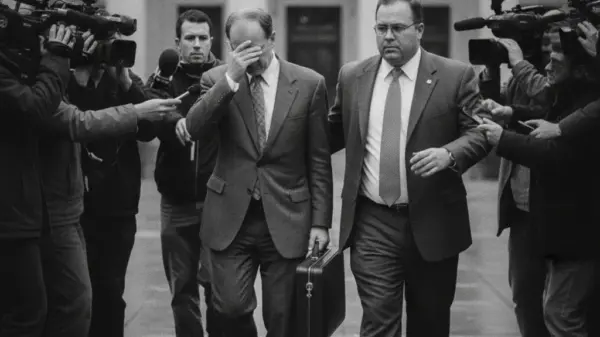











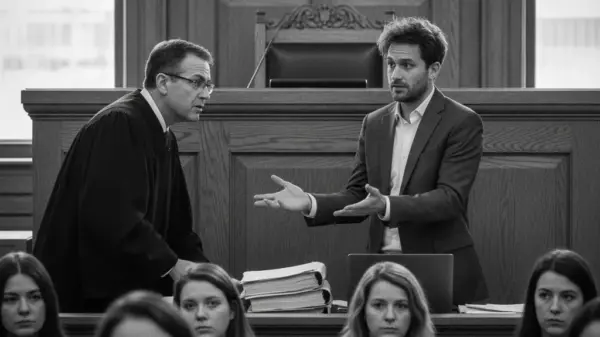


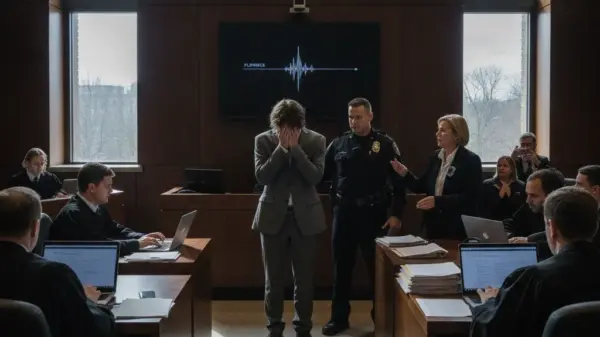

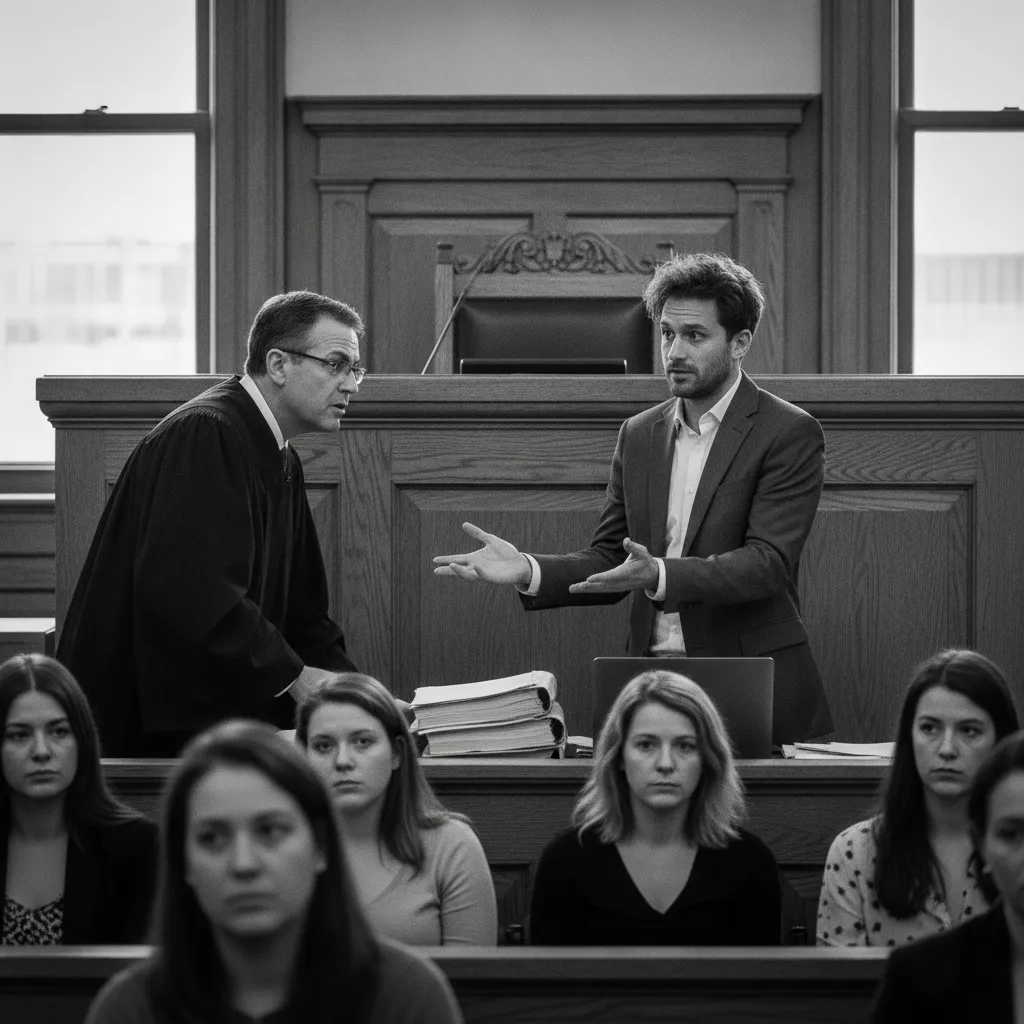
As a Toronto jury deliberates on the fate of Aiden Pleterski, newly revealed court documents paint a picture of a defendant who may have used incompetence as a legal strategy. The self proclaimed Crypto King, accused of defrauding investors of more than 36 million dollars, repeatedly pleaded for a mistrial and claimed he lacked the expertise to defend himself without a lawyer. However, Ontario Superior Court Justice Shaun Nakatsuru saw through the act, denying the requests and suggesting that Pleterski was intentionally staying silent to build a stronger foundation for a future appeal.
Behind closed doors, the judge expressed deep skepticism toward Pleterski’s claims of confusion. While the defendant often acted lost in court, asking for definitions of common phrases like cul de sac and heard it through the grapevine, Justice Nakatsuru noted that Pleterski brought no notes, no tablets, and no evidence to his own trial. In private conversations away from the jury, the judge told him bluntly that he was not a fool and believed Pleterski was simply choosing not to participate for tactical reasons rather than out of necessity.
The prosecution alleges that while Pleterski convinced investors their money was being traded on high end platforms, he actually pocketed over 16 million dollars for personal luxuries including private jets and luxury cars. Despite having months to secure legal representation leading up to the October start date, Pleterski arrived alone. Though he occasionally lamented sounding like an idiot during his singular attempt at cross examination, the judge reminded him that he had been warned about the trial date long in advance.
These candid exchanges between the bench and the defendant remained hidden from the jury until now, surfacing only after they were sequestered for deliberations. As they weigh evidence including an audio recording where Pleterski allegedly admitted a massive investment fund never existed, they do so unaware that their presiding judge viewed the defendants lack of defense as a calculated performance rather than a failure of access to justice.