







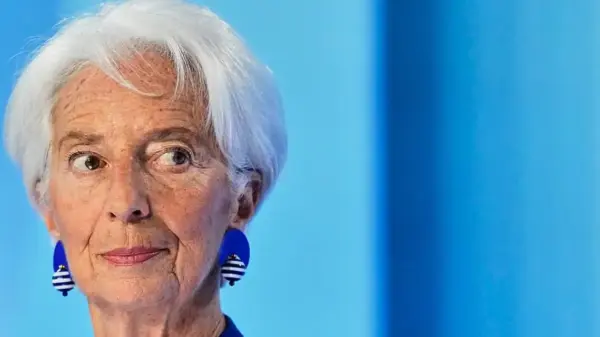







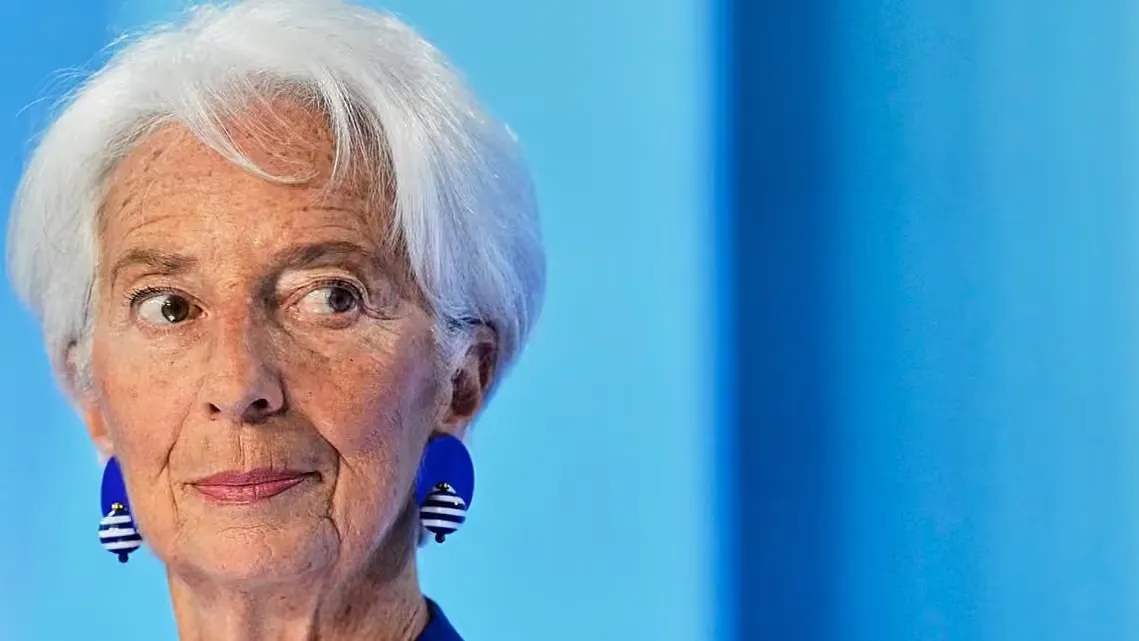
Christine Lagarde has announced she will step down as president of the European Central Bank on February 7, 2027. This decision comes roughly nine months before her official eight-year term expires, sparking an immediate and high-stakes search for a successor to lead one of the world’s most influential financial institutions. While the ECB provided no formal explanation for the timing, insiders suggest Lagarde wishes to regain the freedom to speak openly on global and domestic issues without the strict neutrality required of her current role.
The move appears strategically timed to avoid political volatility in France. By vacating the seat in early 2027, EU leaders can appoint a new head before France holds its presidential election in April of that year. With President Emmanuel Macron unable to seek a third term and eurosceptic parties gaining ground in polls, there is a strong desire among member states to secure a stable leadership transition before any potential shift toward right-wing populism in Paris complicates the selection process.
EU officials were quick to praise Lagarde’s tenure, citing her steady guidance through the turbulence of a global pandemic and the fallout from Russia’s invasion of Ukraine. From European Commission President Ursula von der Leyen to French President Emmanuel Macron, leaders credited her with maintaining eurozone resilience during periods of extreme economic instability. Despite these accolades, Lagarde leaves behind a complex landscape characterized by stagnant growth and fluctuating borrowing costs.
The competition for her replacement is already intensifying, with Pablo Hernández de Cos of Spain and former Dutch central bank head Klaas Knot emerging as frontrunners. This vacancy coincides with several other departures from the ECB’s Executive Board, meaning nearly half of its top leadership will turn over within five months. As nations like Germany and France negotiate their influence over remaining key portfolios, the coming months will determine not just who leads the bank, but how power is balanced across the eurozone’s major economies.