



















Bitcoin surged past the 86,000 dollar mark on Monday, marking its highest valuation since late January and fueling a heated debate among traders about whether the dreaded crypto winter has finally thawed. The digital asset climbed nearly six percent during the session, reaching a peak of 86,349 dollars as part of a broader rally that has seen prices jump more than 34 percent over the last three months. While the coin remains below its historic all-time high established in October 2025, the recent momentum is providing a significant boost to related equities like Coinbase and MicroStrategy.
Market optimists are already calling this new phase crypto spring. Matt Hougan, the chief investment officer at Bitwise, suggested that this current trajectory could lead to the strongest and longest running bull market in the history of the industry. He argues that while prices dipped cyclically, the underlying fundamentals grew stronger thanks to increased blockchain activity and institutional adoption by giants like BlackRock. From his perspective, price action is simply catching up to these structural improvements, making it likely that previous records will be shattered within the coming year.
Interestingly, some analysts believe this recovery is being driven by a shift in investor appetite rather than just internal crypto growth. There are signs that momentum driven investors are rotating their capital away from artificial intelligence stocks and back into digital assets now that the initial AI frenzy has leveled off. This migration of wealth suggests that crypto is once again becoming a primary destination for those seeking high growth opportunities after previously playing second fiddle to tech breakthroughs.
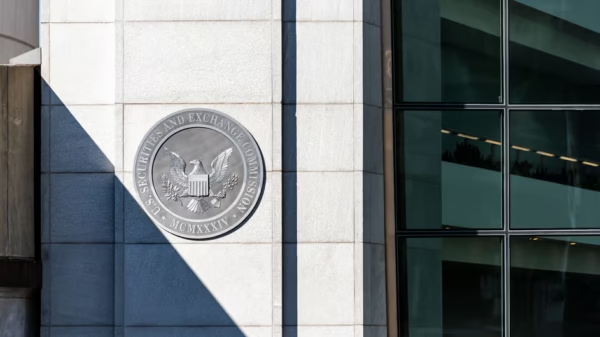
Even political headwinds seem unable to dampen the mood. Despite the U.S. Senate blocking the Clarity Act last week, which would have created a formal regulatory framework dividing oversight between federal agencies, experts suggest this might actually benefit the market. Some argue that because current leadership at both the SEC and CFTC is remarkably pro-crypto, leaving them in charge without restrictive new legislation may result in a more favorable environment for growth than if a rigid legal framework had been imposed.