

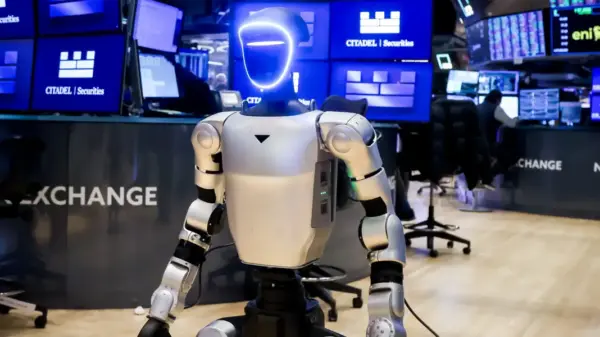









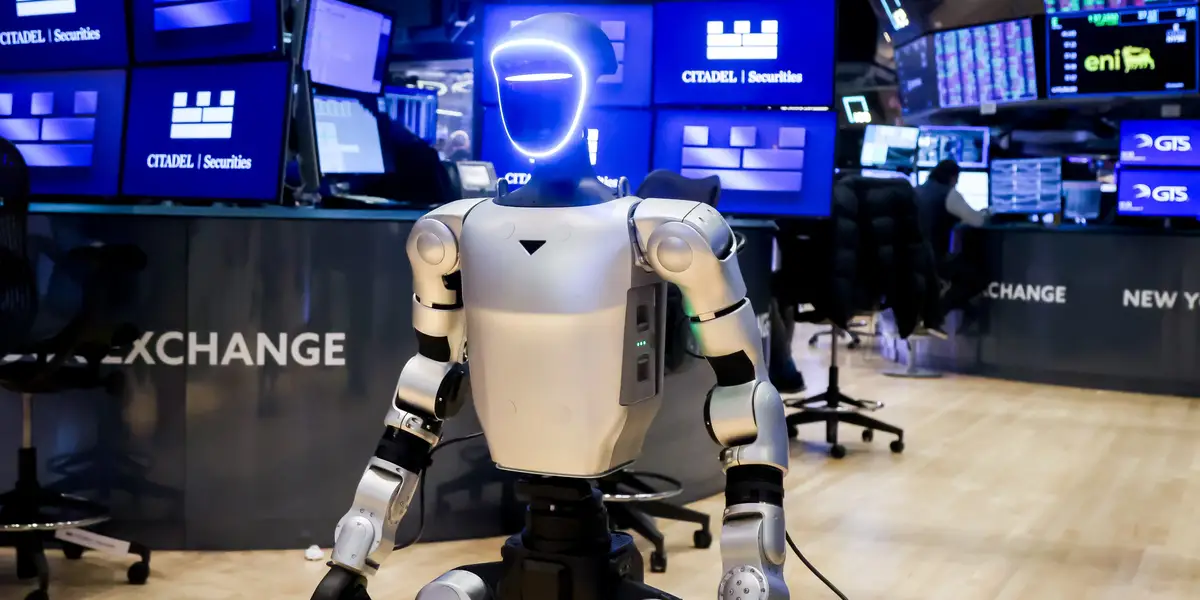
Artificial intelligence is rapidly evolving from a simple chatbot into something far more capable, known as agentic AI, which can actually execute trades and manage portfolios. Companies like Meta have already introduced personal agents, and trading platforms like Robinhood are offering tools that allow users to essentially hand over the keys to their investments. On paper, the tech is impressive; researchers at the University of Florida discovered that certain models, specifically DeepSeek, have managed significant gains since their launch, proving that AI can indeed compete with or even beat the market.
Despite these technical milestones, human investors aren’t ready to let go of the steering wheel. A recent survey of over 6,000 investors conducted by Vanguard reveals a profound trust gap. According to Andy Reed, head of behavioral economics research at the firm, a staggering 57 percent of participants admitted they are uncomfortable with AI taking any direct action on their behalf. This skepticism spans every generation, though it is particularly acute among Baby Boomers and older investors, where nearly 80 percent report little to no trust in the technology. Even among younger cohorts like Gen Z and Millennials, only a tiny fraction feel highly confident in AI’s ability to handle their wealth.
This disconnect suggests that while people are curious enough to experiment with AI for basic financial tips or research, they still view it as a supplement rather than a replacement for human expertise. There is a clear distinction between using a tool for information and trusting it with life savings. For many, the convenience of 24/7 access cannot replace the accountability and nuance provided by a professional advisor who understands the emotional weight of financial planning.
Interestingly, this lack of trust might actually secure the future of human financial planners rather than threaten them. Instead of replacing professionals through what Reed calls a crowd out effect, AI seems to be creating a crowd in effect. By highlighting the complexities and potential errors associated with automated advice, AI is making investors value human judgment even more. Rather than thinning the ranks of advisors, the rise of agentic AI may ironically increase the demand for humans who can provide an essential layer of verification and empathy in an increasingly automated world.