Central Bank Braces For An Artificial Intelligence Earthquake
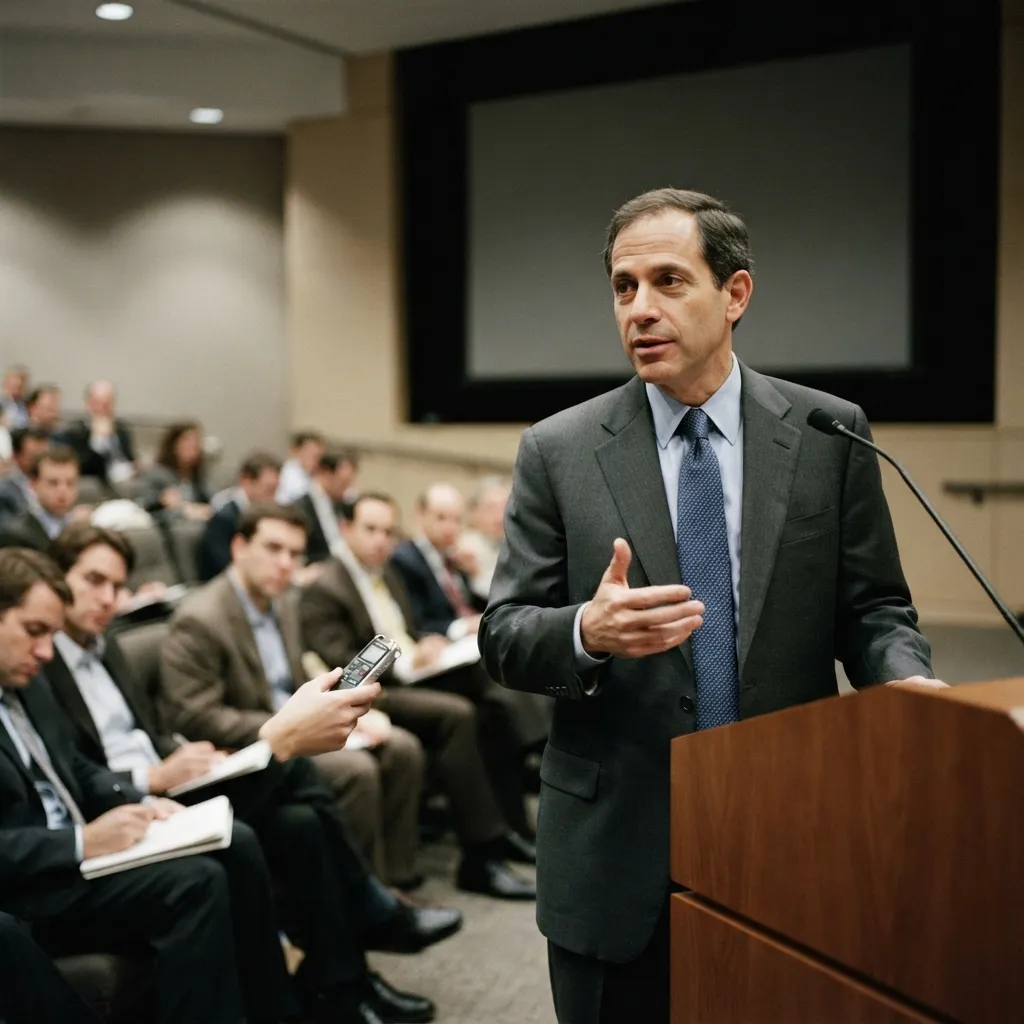
Federal Reserve Chairman Kevin Warsh believes the American economy has reached a critical hinge point as artificial intelligence begins to permeate every sector of industry. Speaking at a recent conference in San Francisco, Warsh signaled that the central bank is actively preparing for an economic shift that could mirror the disruptive nature of the China shock from decades ago. While that previous era decimated manufacturing jobs while lowering the cost of consumer goods, Warsh suggests AI could trigger a similar phenomenon within the service sector, potentially slashing costs for legal and administrative work while displacing millions of white collar employees.
The urgency of this transition is reflected in the dizzying pace of the tech market, highlighted by Anthropic’s imminent multi billion dollar public offering. This surge in corporate spending is creating a complex dilemma for the Fed, which is currently weighing whether to hike interest rates in December to cool an overheating tech sector. At the same time, political headwinds are mounting as voters increasingly push back against the expansion of data centers, adding a layer of regulatory uncertainty to an already volatile landscape.
In a departure from traditional Federal Reserve culture, Warsh is bypassing some of his internal phalanx of economists to seek guidance from external disruptors. By assembling a specialized task force featuring figures like venture capitalist Marc Andreessen, Warsh is attempting to break through what he describes as an insular institutional mindset. These advisors are debating whether heavy government regulation will act as a buffer against mass unemployment or if a true free market approach will lead to rapid worker displacement.
Ultimately, these academic and entrepreneurial discussions must translate into concrete monetary policy. If AI successfully drives down the cost of services across the board, it could create long term disinflationary pressure that would allow the Fed to lower interest rates. However, until the task force delivers its formal findings and the Fed debates their implications, Warsh remains in a holding pattern, searching for clarity on how to steer the national economy through a technological revolution that refuses to wait for permission.